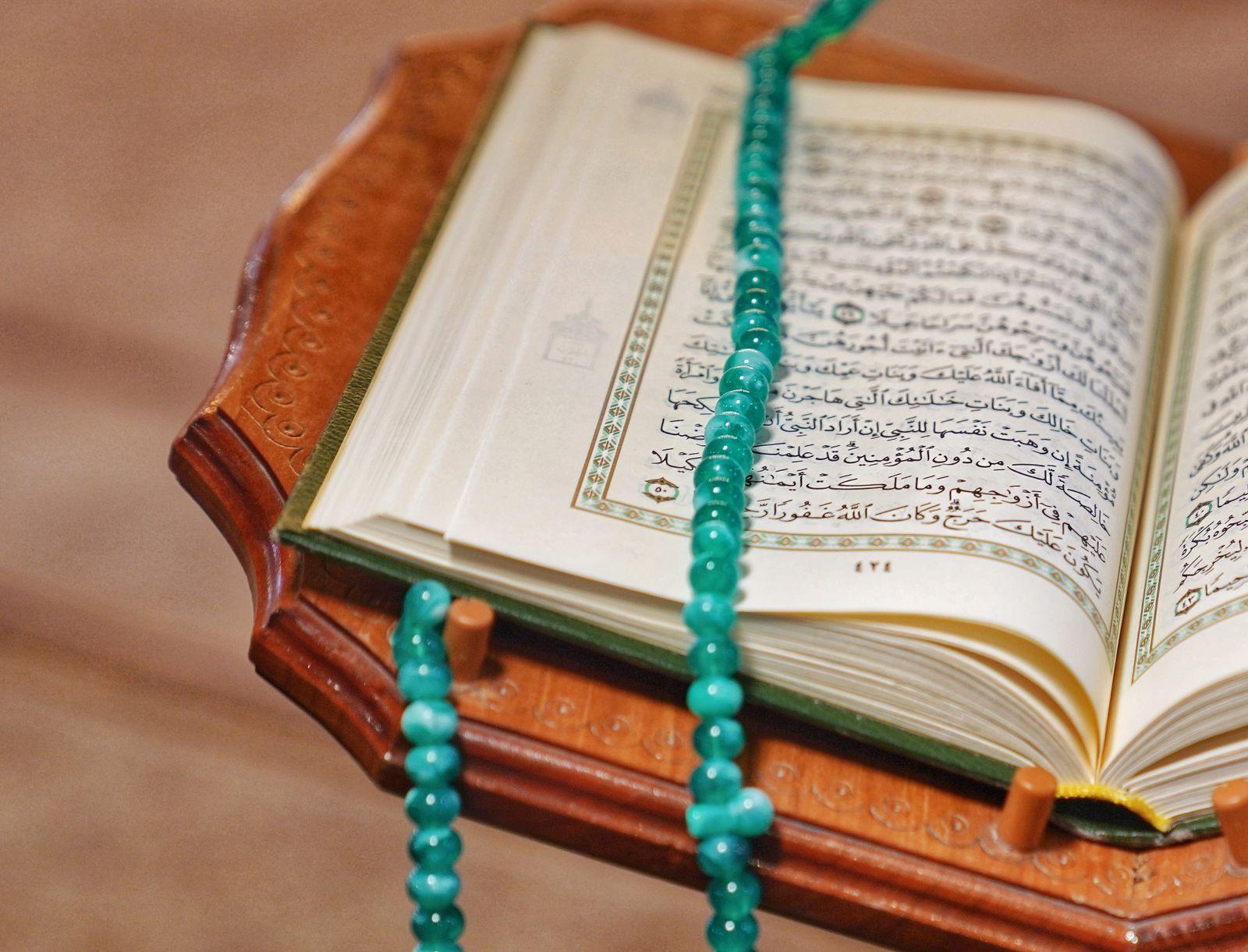
To memorize Juz 1, learn it in six sections of meaning at 5 to 7 new lines a day, from Al-Fatihah to Al-Baqarah 2:141. That’s 148 ayat on pages 1 to 21 of the Madani mushaf, and it takes about 10 weeks at 5 lines a day or 7 to 8 weeks at half a page.
A juz is one thirtieth of the Quran, and the first one is almost all Al-Baqarah. Nearly two thirds of that is a single long address to Bani Isra’il, the Children of Israel, packed with ayat that repeat each other with a word or two changed. That’s where this juz gets hard. Two ayat can match for a whole line and part on a single word.
Everything below stops at 2:141. For all 286 ayat of the surah, read our guide to memorizing Surah Al-Baqarah.
At a glance
- Where it runs: Al-Fatihah 1:1 on page 1 to Al-Baqarah 2:141 on the last two lines of page 21. Juz 2 opens with 2:142 at the top of page 22.
- Name: Alif Lam Mim (الٓمٓ), after the first ayah of Al-Baqarah. In South Asia it’s often called Para 1.
- Surahs and ayat: 2 surahs and 148 ayat: all 7 of Al-Fatihah, and 141 of Al-Baqarah’s 286.
- Size: 21 pages, 298 lines, 2,522 words. Pages 1 and 2 are the short decorated opening pages, which is why it isn’t a full 315 lines.
- Longest ayah: 2:102, 74 words over nine lines of page 16.
- Last ayah: 2:141, which repeats 2:134 word for word.
- Time to recite: about 37 minutes at Shuraym’s pace, 52 at Alafasy’s and 82 at Al-Husary’s.
- Time to memorize: 60 lesson days at 5 lines a day, 43 at 7 lines (about half a page), 20 at a full page.
Where does Juz 1 start and end?
Juz 1 starts at Al-Fatihah 1:1 on page 1 and ends at Al-Baqarah 2:141, on the last two lines of page 21. That’s 21 pages, 2 surahs and 148 ayat. Its last ayah, 2:141, repeats 2:134 word for word, and Juz 2 picks up at 2:142, سَيَقُولُ ٱلسُّفَهَآءُ, at the top of page 22.
If you’ve seen Juz 1 listed as ending at 2:74, that’s where its first half (the first hizb) ends. The juz itself runs on to 2:141.
Is Juz 1 a good place to start hifz?
It is, if you read Arabic comfortably from the mushaf. Many people start at the other end of the Quran, with Juz Amma, where a whole surah can fit on a few lines. Starting from page 1 is a sound alternative, and it’s what Shaykh Ibn ‘Uthaymeen advised.
He was asked where someone who wants to memorize the Quran should begin. He advised starting with Al-Baqarah, unless the person had already memorized from the Mufassal, the run of shorter surahs from Qaf (surah 50) to the end of the Quran. Those can be easier, he explained, because the surahs and ayat are shorter and people hear them so often from the imam in the mosque. If that’s you, start with what’s easier (IslamQA 22332).
On our measure of ayah length, surah starts and shared phrasing, Juz 1 ranks 19th of 30 for ease, at 17.0 words per ayah. That’s the middle of the pack. The harder part of Al-Baqarah comes after it: Juz 2 ranks 29th.
Juz 1 suits you as a first juz if:
- You read fluently from the mushaf. Ayat here run as long as 74 words, and you can’t memorize what you’re still sounding out.
- Al-Baqarah recited in your home matters to you. The Prophet ﷺ told us not to make our houses into graveyards, and said that Satan runs from the house where Surah Al-Baqarah is recited (Sahih Muslim 780).
- Your teacher sets lessons in mushaf order.
- Juz 30 is done, maybe Juz 29 as well, and the long surahs are next.
- Revising by page from page 1, as one unbroken block, appeals to you.
It’s a tougher first juz for someone still fixing their pronunciation. In Juz Amma a four-word ayah lets you correct one thing at a time. In Juz 1, 2:61 alone fills seven lines. Young children, and anyone who wants new surahs for salah quickly, usually do better starting at the back. Our comparison of all 30 juz by difficulty shows where each one sits.
One thing in Juz 1’s favor: nearly everyone starts it with seven lines they already know. Page 1 is Al-Fatihah.
What’s in Juz 1? A summary in six sections
Learn the juz by its sections and you’ll rarely lose your place. Each one has a clear start, and several of the turns fall right at the top of a page: 2:6 opens page 3, 2:30 opens page 6, 2:49 opens page 8, 2:127 opens page 20 and 2:135 opens page 21. As everywhere in the Madani mushaf, each page starts with a new ayah, so you never carry half an ayah over a page turn.
Line counts below are for the 15-line Madani mushaf. Recitation times are at Alafasy’s pace.
1. Al-Fatihah (1:1 to 1:7)
Seven ayat on seven lines of page 1, under a minute to recite. The Prophet ﷺ called it the greatest surah in the Quran (Sahih al-Bukhari 4474), and he said a prayer without it is invalid (Sahih al-Bukhari 756).
You almost certainly know it already, which makes page 1 the cheapest page of your hifz. Spend the time you save on a pronunciation check. Al-Fatihah is recited in every rak’ah, so a mistake here gets repeated more than any other, and whatever you fix now carries into the 291 lines that follow. Our ayah-by-ayah guide to Al-Fatihah goes through the common mistakes one at a time.
2. The three groups of people (2:1 to 2:20)
Twenty ayat and 29 lines, from page 2 line 3 to page 4 line 8. About five minutes to recite. Al-Baqarah opens by describing three kinds of people, and the mushaf lays them out neatly by page:
- The believers, 2:1 to 2:5, fill all of page 2.
- The disbelievers, 2:6 and 2:7, open page 3 with إِنَّ ٱلَّذِينَ كَفَرُوا۟ and take just three lines.
- The hypocrites, from 2:8 (وَمِنَ ٱلنَّاسِ مَن يَقُولُ) to 2:20, take the next 20 lines. Two parables close the section: the fire in 2:17 and the rainstorm in 2:19 and 2:20.
Count the ayat and you get 5, 2 and 13. That’s a handy shape to remember: two short groups, then a long one. The long one is where your repetitions will go.
3. The call to all people (2:21 to 2:29)
This short section runs nine ayat, from page 4 line 8 to the bottom of page 5, and fills 22 lines. 2:21 opens with يَـٰٓأَيُّهَا ٱلنَّاسُ (“O mankind” in Saheeh International), the only time that address appears in Juz 1, so you’ll hear the change straight away.
It splits into two halves of 11 lines each: 2:21 to 2:25 (worship, the challenge to bring a surah in 2:23, the gardens) and 2:26 to 2:29 (the example of the mosquito, who goes astray, creation). 2:26 also starts the juz’s second quarter, on page 5 line 5.
4. Adam (2:30 to 2:39)
Ten ayat and 18 lines. 2:30 sits on the very first line of page 6, which makes it an easy start to picture. It’s the ayah where Allah tells the angels He will place a khalifah on earth. The first nine lines, 2:30 to 2:33, cover the khalifah, which Saheeh International renders “a successive authority”, and the names. The next nine, 2:34 to 2:39, are the prostration, Iblis, the garden, the descent and the words of repentance.
5. The address to Bani Isra’il (2:40 to 2:123)
This is the long one. It runs from page 7 line 4 to page 19 line 8: 84 ayat, 185 lines, and 62% of the juz. Recited on its own it’s about 32 minutes. It opens and closes with the same call, يَـٰبَنِىٓ إِسْرَٰٓءِيلَ (“O Children of Israel”), at 2:40, 2:47 and 2:122. Those are the only three ayat in Al-Baqarah that start that way.
Don’t plan it as one block. Split it in three:
- 2:40 to 2:74, the favors, the calf and the cow. 68 lines across pages 7 to 11. It ends on page 11 line 11, exactly where the first hizb (half of the juz) ends.
- 2:75 to 2:103, hearts, covenants, Harut and Marut. 75 lines across pages 11 to 16. This stretch holds 2:102, the longest ayah in the juz.
- 2:104 to 2:123, the believers addressed directly. 42 lines across pages 16 to 19. 2:104 is the only يَـٰٓأَيُّهَا ٱلَّذِينَ ءَامَنُوا۟ (“O you who have believed”) in the juz. Then come the claims about Paradise, and the section closes by repeating 2:47 and nearly repeating 2:48.
Listen to this section and one sound comes back again and again: وَإِذْ (wa idh), which Saheeh International usually renders “And [recall] when”. Twenty-one ayat in Juz 1 open with it, and 15 of those fall between 2:49 and 2:93. Each one starts a new scene. Learn the scenes in order and the section stops feeling like one long blur.
Tip: Pages 8 and 9 hold exactly 2:49 to 2:61, the list of favors, and nine of those 13 ayat open with wa idh. Those nine scenes run: Pharaoh, the sea, forty nights and the calf, the Scripture and criterion, Musa’s call to repent, the demand to see Allah, the city, the rock, and the complaint about one kind of food. The clouds with manna and quails (2:57) sit between the demand and the city, opening with وَظَلَّلْنَا instead. Write the scenes on a card in that order. When you lose your place, the card tells you what comes next.
Expect the middle weeks of your plan to feel alike. They’re the weeks you spend here, and it’s where you’ll find most of the look-alike ayat below.
6. Ibrahim and the Ka’bah (2:124 to 2:141)
The juz closes on Ibrahim: 18 ayat and 37 lines, from page 19 line 8 to the last line of page 21, about seven minutes to recite. It’s also exactly the last quarter of the juz, so you can revise it as one unit.
- 2:124, Ibrahim tested and made a leader, starts on the same line where 2:123 ends.
- 2:125 and 2:126 bring the House, the station of Ibrahim and his dua for the city.
- 2:127 to 2:129, the raising of the foundations and three prayers that open with رَبَّنَا, sit at the top of page 20.
- 2:130 to 2:134 are the religion of Ibrahim and Ya’qub’s deathbed.
- 2:135 to 2:141 fill page 21 exactly, ending the juz.
There’s a neat link between two section openings. Adam’s begins with Allah saying إِنِّى جَاعِلٌ, “Indeed, I will make” (2:30), and Ibrahim’s with إِنِّى جَاعِلُكَ, “Indeed, I will make you” (2:124), both in Saheeh International’s wording. Notice it once and you’ll find both sections faster.
The three رَبَّنَا prayers at the top of page 20 each end with a different pair of Allah’s Names: ٱلسَّمِيعُ ٱلْعَلِيمُ (2:127), ٱلتَّوَّابُ ٱلرَّحِيمُ (2:128) and ٱلْعَزِيزُ ٱلْحَكِيمُ (2:129). Tie each ending to the request just before it. 2:128 asks Allah to accept their repentance, so it ends with at-Tawwab, “the Accepting of Repentance”. Make that link once and you won’t swap them.
Ibrahim’s name looks different here. On pages 19 to 21 it’s written إِبْرَٰهِـۧمَ, without the full ya you’ll see in Aal-Imran 3:84 (إِبْرَٰهِيمَ). It’s pronounced the same, but if you picture the page, that small mark tells you which surah you’re in.
How long does it take to memorize Juz 1?
Sixty lesson days at 5 lines a day, or 43 at 7 lines (the nearest thing to half a page). With one day a week left for revision, that’s 10 weeks at 5 lines and a little over 7 at 7 lines. The table assumes six lesson days a week with Friday free, starting from Al-Fatihah on a Monday. Start later in the week and the calendar can run a day longer, though the number of lessons stays the same.
| New lines a day | Lessons | Calendar days | Weeks (part-weeks rounded up) |
|---|---|---|---|
| 3 | 100 | 116 | 17 |
| 5 (a third of a page) | 60 | 70 | 10 |
| 7 (about half a page) | 43 | 50 | 8 |
| 10 (two thirds of a page) | 30 | 35 | 5 |
| 15 (a page) | 20 | 23 | 4 |
| 30 (two pages) | 10 | 11 | 2 |
Why lines and not ayat? Because ayat in this juz run from one word (الٓمٓ) to 74. “Four ayat a day” could mean a few lines on page 2 or most of page 16, where 2:102 alone takes nine lines. A line of the 15-line mushaf is a much steadier unit.
For most adults starting here, we’d pick 7 lines a day. It finishes the juz in 43 lessons and gets you through the 185 lines of Bani Isra’il in about 27 lessons, ten fewer than at 5 lines. That’s the stretch where a slow plan starts to drag. If you’re still sounding out long words, take 5 lines and give it 10 weeks. You’ll reach page 21 either way.
Here’s how the 7-line plan falls. Week 1 takes you from Al-Fatihah to 2:24 on page 4. Week 3 covers 2:47 and 2:48, the favors on pages 8 and 9, and the covenant at 2:63. Week 7 takes in the echo at 2:122 and most of Ibrahim, stopping partway through 2:140. Week 8 is only the last four lines, which leaves most of that week for revising the whole juz.
The plan counts whole lines, so some ayat start one day and finish the next (at 7 lines a day, 2:24, 2:45 and 2:102 are among them). That’s fine. Recite the whole ayah when you pick it up again.
What does one day’s lesson look like?
Seven lines of Juz 1 take about a minute and a quarter at Alafasy’s pace, or about two minutes at Al-Husary’s, so listening is cheap. Play the lesson three or four times with the mushaf open before you try a word yourself. Then read the Saheeh International translation of those ayat once, so you know which scene you’re in.
Now work ayah by ayah. Read the first ayah from the page until you can say it without looking, then the second, then join the two. Carry on to the end of the lesson. You’re done when you can recite the whole lesson twice in a row without the mushaf, starting with the last ayah of yesterday’s lesson so the join gets practiced too. A long ayah like 2:102 is easier in pieces: learn it a line at a time and join the lines.
Prefer to plan by meaning? Here’s how many lessons each section takes on its own:
| Section | Lines | 5/day | 7/day | 10/day |
|---|---|---|---|---|
| Al-Fatihah | 7 | 2 | 1 | 1 |
| Three groups | 29 | 6 | 5 | 3 |
| Call to all | 22 | 5 | 4 | 3 |
| Adam | 18 | 4 | 3 | 2 |
| Bani Isra’il | 185 | 37 | 27 | 19 |
| Ibrahim | 37 | 8 | 6 | 4 |
These add up to a few more lessons than the plan above, because each section is rounded up.
Free tool
Get every lesson of Juz 1 by page, line and ayah, with revision built in. This link opens it set to Juz 1, From Al-Fatihah, at 7 lines a day. If you set it up yourself, change the order, because the default (From An-Nas) puts Al-Fatihah last. Open the hifz plan generator →
Can you memorize Juz 1 in 10 days?
Yes, at 30 lines a day, every day. That’s two full pages, a full-time pace, and 298 new lines in ten days with no time to get page 3 solid before you reach page 15. We’d only try it if hifz is your main occupation for those ten days and you’ve cleared the weeks after for revision.
Whatever pace you choose, plan for missed days. Don’t double up the next day. Pick up from today’s lesson and let the plan run a day later.
And when Juz 1 is done, Juz 2 begins at 2:142 at the top of page 22 and carries Al-Baqarah on to 2:252. Its ayat average 23.2 words against Juz 1’s 17.0, so lower your daily target a little before you start it.
Which ayat in Juz 1 get mixed up?
Quite a few, and most of them sit inside the Bani Isra’il section. Here they are by reference, with the exact words that change. Look-alike ayat like these are called mutashabihat. The Arabic is the Uthmani text, and the transliterations are ours, to help you hear the difference.
2:47 and 2:122: the same ayah, 75 ayat apart
The Bani Isra’il section opens and closes with an ayah that’s identical in Arabic, word for word. 2:47 is on page 7, lines 13 and 14. 2:122 is on page 19, lines 5 and 6.
يَـٰبَنِىٓ إِسْرَٰٓءِيلَ ٱذْكُرُوا۟ نِعْمَتِىَ ٱلَّتِىٓ أَنْعَمْتُ عَلَيْكُمْ وَأَنِّى فَضَّلْتُكُمْ عَلَى ٱلْعَـٰلَمِينَ
2:40, the first ayah of the section, starts the same way and then turns to the covenant: وَأَوْفُوا۟ بِعَهْدِىٓ, “and fulfill My covenant”. So 2:40 is about the covenant, while 2:47 and 2:122 remind them that they were preferred over the worlds.
2:48 and 2:123: same Day, middle swapped
The ayah after each twin is where people actually trip. Both begin وَٱتَّقُوا۟ يَوْمًا, “And fear a Day”, and both end وَلَا هُمْ يُنصَرُونَ, “nor will they be aided”. The middle is different.
وَٱتَّقُوا۟ يَوْمًا لَّا تَجْزِى نَفْسٌ عَن نَّفْسٍ شَيْـًٔا وَلَا يُقْبَلُ مِنْهَا شَفَـٰعَةٌ وَلَا يُؤْخَذُ مِنْهَا عَدْلٌ وَلَا هُمْ يُنصَرُونَ
“And fear a Day when no soul will suffice for another soul at all, nor will intercession be accepted from it, nor will compensation be taken from it, nor will they be aided.”
Al-Baqarah 2:48, Saheeh International translation. Compare translations on quran.com
وَٱتَّقُوا۟ يَوْمًا لَّا تَجْزِى نَفْسٌ عَن نَّفْسٍ شَيْـًٔا وَلَا يُقْبَلُ مِنْهَا عَدْلٌ وَلَا تَنفَعُهَا شَفَـٰعَةٌ وَلَا هُمْ يُنصَرُونَ
“And fear a Day when no soul will suffice for another soul at all, and no compensation will be accepted from it, nor will any intercession benefit it, nor will they be aided.”
Al-Baqarah 2:123, Saheeh International translation. Compare translations on quran.com
Three things change. The noun that’s “accepted” switches from shafa’ah (intercession) to ‘adl (compensation). The second verb changes from yu’khadhu minha (taken from it) to tanfa’uha (benefit it). And the two nouns trade places. One way to remember it: on page 7, intercession comes first and isn’t accepted. On page 19, compensation comes first, and intercession won’t benefit.
What really tells the two apart is the ayah that comes next, so learn each one with its neighbor. After 2:48 you turn to page 8, which opens with Pharaoh: وَإِذْ نَجَّيْنَـٰكُم. After 2:123, Ibrahim starts on the very same line: وَإِذِ ٱبْتَلَىٰٓ إِبْرَٰهِـۧمَ. Pharaoh next means you’re on page 7. Ibrahim next means page 19.
That closing phrase, وَلَا هُمْ يُنصَرُونَ, ends 2:86 as well, so expect it three times.
2:134 and 2:141: the last ayah has a twin
The last ayah of Juz 1 repeats 2:134, seven ayat earlier, word for word in Arabic:
تِلْكَ أُمَّةٌ قَدْ خَلَتْ ۖ لَهَا مَا كَسَبَتْ وَلَكُم مَّا كَسَبْتُمْ ۖ وَلَا تُسْـَٔلُونَ عَمَّا كَانُوا۟ يَعْمَلُونَ
Saheeh International starts one “That was a nation” and the other “That is a nation”, though the Arabic doesn’t change. And both sit on lines 14 and 15, the last two lines of their page (page 20 and page 21), so picturing the page won’t separate them. What follows will. After 2:134, page 21 opens with وَقَالُوا۟ كُونُوا۟ هُودًا أَوْ نَصَـٰرَىٰ. After 2:141 you’ve reached Juz 2, and page 22 opens with سَيَقُولُ ٱلسُّفَهَآءُ.
More pairs to learn together
- 2:63 and 2:93, the mount raised overhead. The first ten words match. Then 2:63 says وَٱذْكُرُوا۟ مَا فِيهِ (“and remember what is in it”) and closes with لَعَلَّكُمْ تَتَّقُونَ, while 2:93 says وَٱسْمَعُوا۟ (“and listen”) and runs on to their reply, “We hear and disobey.” Page 10 against page 14.
- 2:51 and 2:92, the calf. The second half is identical: ثُمَّ ٱتَّخَذْتُمُ ٱلْعِجْلَ مِنۢ بَعْدِهِۦ وَأَنتُمْ ظَـٰلِمُونَ. The openings differ, forty nights in 2:51 (وَإِذْ وَٰعَدْنَا مُوسَىٰٓ أَرْبَعِينَ لَيْلَةً) and clear proofs in 2:92 (وَلَقَدْ جَآءَكُم مُّوسَىٰ بِٱلْبَيِّنَـٰتِ). Since 2:93 follows 2:92 directly, page 14 gives you two repeats back to back.
- 2:14 and 2:76, “when they meet those who believe”. Same opening, different company afterwards. In 2:14 on page 3 they’re “alone with their evil ones” (خَلَوْا۟ إِلَىٰ شَيَـٰطِينِهِمْ). In 2:76 on page 11 they’re “alone with one another” (خَلَا بَعْضُهُمْ إِلَىٰ بَعْضٍ). Listen for the verb: khalaw in the first, khala in the second.
- 2:89 and 2:101, “confirming that which was with them”. In 2:89 a Book comes (كِتَـٰبٌ), in 2:101 a messenger (رَسُولٌ). Book first, messenger twelve ayat later.
- 2:68, 2:69 and 2:70, the questions about the cow. All three open قَالُوا۟ ٱدْعُ لَنَا رَبَّكَ يُبَيِّن لَّنَا مَا, then ask مَا هِىَ (what is it), مَا لَوْنُهَا (what is her color) and مَا هِىَ again. The answer formula, قَالَ إِنَّهُۥ يَقُولُ إِنَّهَا بَقَرَةٌ, follows inside 2:68 and 2:69, but 2:70, which opens page 11, has no answer of its own. That comes in 2:71.
- 2:62 and 2:112, the reward with their Lord. 2:62 has the plural فَلَهُمْ أَجْرُهُمْ عِندَ رَبِّهِمْ and 2:112 the singular فَلَهُۥٓ أَجْرُهُۥ عِندَ رَبِّهِۦ. Both then end وَلَا خَوْفٌ عَلَيْهِمْ وَلَا هُمْ يَحْزَنُونَ. Adam’s 2:38 ends with the same words, except it opens that phrase with فَلَا, not وَلَا.
Endings that come back
When you can’t remember how an ayah ends, check this list first:
- وَمَا ٱللَّهُ بِغَـٰفِلٍ عَمَّا تَعْمَلُونَ, telling them that Allah is not unaware of what they do, closes 2:74, 2:85 and 2:140. 2:74 is the last ayah of the first hizb, and 2:140 is the second-to-last ayah of the juz.
- عَلَىٰ كُلِّ شَىْءٍ قَدِيرٌ closes 2:20, 2:106 and 2:109. Only 2:106 puts it as a question, opening that phrase with أَلَمْ تَعْلَمْ أَنَّ ٱللَّهَ (do you not know that Allah).
- أَفَلَا تَعْقِلُونَ closes 2:44 and 2:76.
- أَمْ تَقُولُونَ (“Or do you say”) turns up twice. In 2:80 it closes the ayah, asking whether they say of Allah what they don’t know: أَمْ تَقُولُونَ عَلَى ٱللَّهِ مَا لَا تَعْلَمُونَ. In 2:140 it opens the ayah, with Ibrahim’s name right after it: أَمْ تَقُولُونَ إِنَّ إِبْرَٰهِـۧمَ.
Twins outside the juz
A few Juz 1 ayat have close relatives later in the Quran: 2:5 is word for word Luqman 31:5, and the city of 2:58 returns, slightly changed, in 7:161.
Two more pairs, 2:35 with 7:19 and 2:136 with 3:84, are worked through in our guide to memorizing similar Quran verses, along with the notebook method we’d use for all of them. You don’t need any of these yet. Mark them in the margin and deal with them when you reach those surahs.
Revising Juz 1
From the first week, alongside the new lessons. The Prophet ﷺ compared the person who knows the Quran by heart to “the owner of tied camels” (Sahih al-Bukhari 5031). Revision is the tying. Ibn ‘Uthaymeen made the same point in the answer quoted earlier: what you already have “takes precedence” over what you don’t. If revision and a new lesson are fighting over the same 20 minutes, revision gets them.
While you’re still learning it
Build revision into every day in two parts. The first is your last seven lessons, recited every day; the traditional name is sabqi. The second is everything before that, split so you go over about a seventh of it each day, which is your manzil. Days without a new lesson, like the Friday in the plan above, are revision days. At 5 lines a day you’re carrying about 10 pages behind your new lesson by week 6, so the manzil matters sooner than you’d think.
Once all 21 pages are done
Use the juz’s eight quarters. The Uthmani text marks each new quarter with ۞, and they make good daily portions:
| Quarter | Starts at | Page | Lines | Minutes |
|---|---|---|---|---|
| 1 | 1:1 | 1 | 47 | 7.7 |
| 2 | 2:26 | 5 | 35 | 6.4 |
| 3 | 2:44 | 7 | 26 | 4.8 |
| 4 | 2:60 | 9 | 36 | 5.9 |
| 5 | 2:75 | 11 | 44 | 7.4 |
| 6 | 2:92 | 14 | 35 | 5.9 |
| 7 | 2:106 | 17 | 38 | 6.7 |
| 8 | 2:124 | 19 | 37 | 7.3 |
A quarter a day is 5 to 8 minutes at Alafasy’s pace and takes you round the whole juz every 8 days. Three pages a day makes it weekly. If you can find 25 to 30 minutes, a hizb (half the juz) a day covers everything every second day, and that’s the pace we’d use for the month right after you finish.
Test it out of order
Reciting from page 1 every time hides weak spots in the second half, because momentum carries you through them. Mix in these:
- Open at a random quarter from the table and recite to the end of it.
- Say the join after each identical ayah without running up to it: 2:47 into 2:48 into 2:49, 2:122 into 2:123 into 2:124, and 2:134 into 2:135.
- Recite the three cow questions, 2:68 to 2:70, then the answer in 2:71, and check the order.
- Once a week, recite the whole juz in one sitting. It’s about 52 minutes at a steady pace, and nothing else shows as clearly whether you can recite all 21 pages in one go.
You can run the same checks in the Quran Memorizer test, on iPhone, iPad or in any browser. Set the scope to a few ayat around 2:122, and the next-ayah question shows straight away whether 2:123 follows or 2:48 sneaks in. Widen it to the whole juz once all 21 pages are done.
Start with page 1 today. You already know it, so tomorrow’s lesson is 2:1.