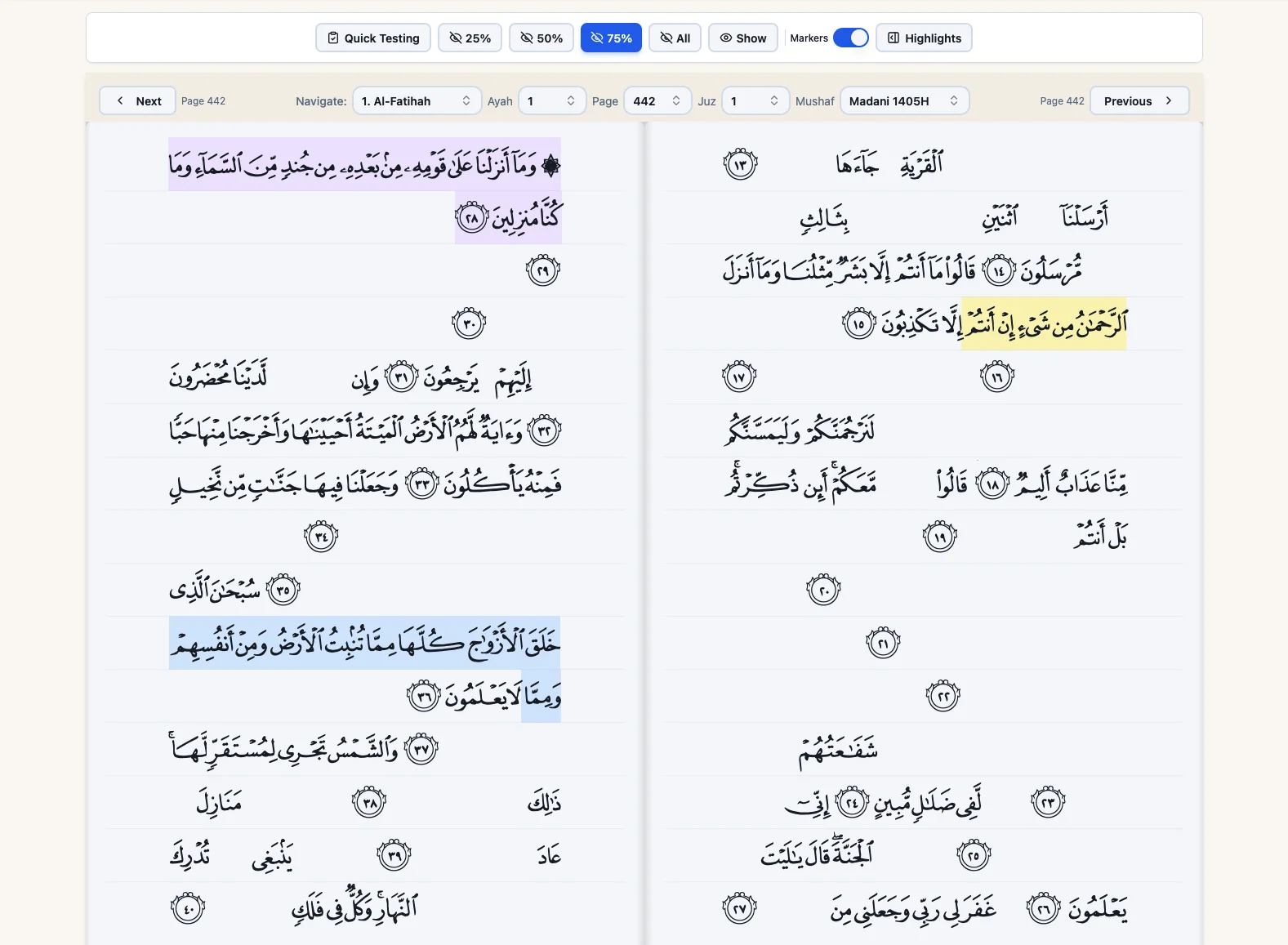
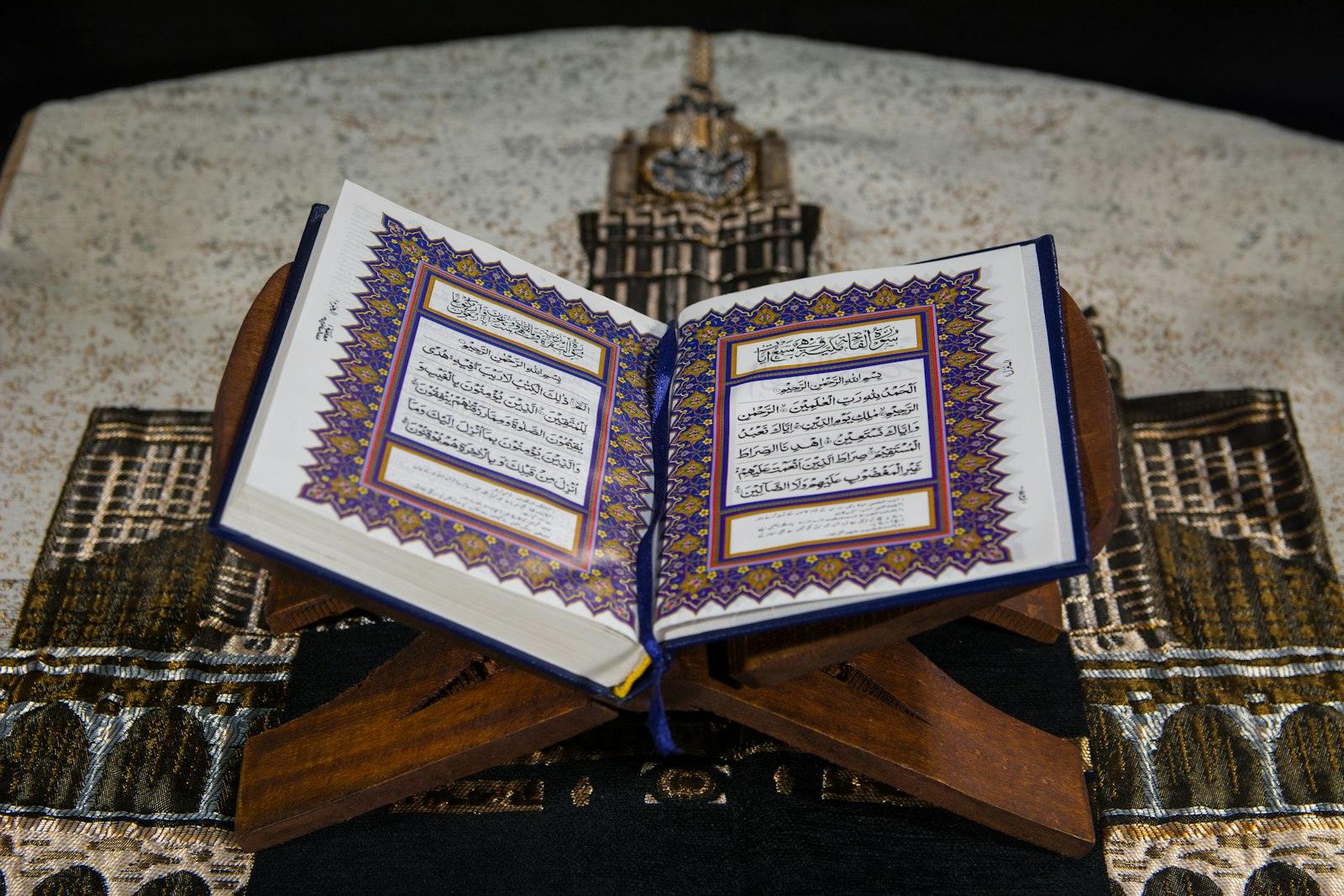
Al-Fatihah is the first surah of the Quran and the one every Muslim recites most. If you pray the five daily prayers, you recite it at least 17 times a day. The Prophet ﷺ said that whoever does not recite Al-Fatihah in their prayer has no prayer (Sahih al-Bukhari 756), and he called it the greatest surah in the Quran (Sahih al-Bukhari 4474).
Because you say it so often, any mistake in it gets repeated thousands of times. What follows is for new Muslims learning it for the first time, children, and anyone who has known it for years but never had it checked.
A conversation with Allah
Start with the meaning, then the pronunciation. The Prophet ﷺ reported that Allah said He has divided the prayer between Himself and His servant into two halves. When the servant says “All praise is for Allah, Lord of the worlds”, Allah says, “My servant has praised Me.” When the servant says “The Most Merciful, the Especially Merciful”, Allah says, “My servant has extolled Me”, and so on through the surah (Sahih Muslim 395a).
Knowing that each ayah is answered changes how you recite it. Slow down. Pause at the end of each ayah.
Ayah by ayah
1. Bismillah
بِسْمِ ٱللَّهِ ٱلرَّحْمَـٰنِ ٱلرَّحِيمِ
Bismillahir-rahmanir-rahim. Saheeh International translates it: “In the name of Allah, the Entirely Merciful, the Especially Merciful.” Make the ح in rahman and rahim a clear, breathy h from the middle of the throat, different from an English h.
2. Praise
ٱلْحَمْدُ لِلَّهِ رَبِّ ٱلْعَـٰلَمِينَ
Al-hamdu lillahi rabbil-‘alamin. Saheeh International translates it: “[All] praise is [due] to Allah, Lord of the worlds,” Two letters need care: the ح in al-hamdu (not a plain h, which would give a different word), and the ع in al-‘alamin, a sound from deep in the throat that doesn’t exist in English. Hold the long a in ‘alamin.
3. Mercy
ٱلرَّحْمَـٰنِ ٱلرَّحِيمِ
Ar-rahmanir-rahim. Saheeh International translates it: “The Entirely Merciful, the Especially Merciful.” Again, the ح.
4. The Day of Judgment
مَـٰلِكِ يَوْمِ ٱلدِّينِ
Maliki yawmid-din. Saheeh International translates it: “Sovereign of the Day of Recompense,” In the common Hafs recitation, the first a is long: Maaliki. Some other authentic recitations read it short, Maliki, meaning King. Follow the recitation you’re learning.
5. Worship and help
إِيَّاكَ نَعْبُدُ وَإِيَّاكَ نَسْتَعِينُ
Iyyaka na’budu wa iyyaka nasta’in. Saheeh International translates it: “It is You we worship and You we ask for help.” The double y (shaddah) in iyyaka must be held. Scholars of tajweed have long warned that dropping it changes the word into something with a different meaning entirely. Also watch the ع in na’budu and nasta’in.
6. Guidance
ٱهْدِنَا ٱلصِّرَٰطَ ٱلْمُسْتَقِيمَ
Ihdinas-siratal-mustaqim. Saheeh International translates it: “Guide us to the straight path,” The ص in sirat is a heavy s, said with the back of the tongue raised so the sound is fuller than an English s. Don’t let it become a light س.
7. The path of the blessed
صِرَٰطَ ٱلَّذِينَ أَنْعَمْتَ عَلَيْهِمْ غَيْرِ ٱلْمَغْضُوبِ عَلَيْهِمْ وَلَا ٱلضَّآلِّينَ
Siratal-ladhina an’amta ‘alayhim, ghayril-maghdubi ‘alayhim wa lad-dallin. Saheeh International translates it: “The path of those upon whom You have bestowed favor, not of those who have earned [Your] anger or of those who are astray.”
Three places need attention:
- An’amta ends with a fatha: -ta, “You blessed”. Saying an’amtu would mean “I blessed”, which completely changes the meaning.
- Al-maghdubi has two heavy letters close together, غ and ض.
- Ad-dallin has ض, one of the hardest letters in Arabic. It’s often mispronounced as a plain d or z. Have a teacher show you the correct sound. Then hold the long aa for the full six counts, as the madd before a doubled letter requires.
Mistakes worth checking for
If you’ve been reciting Al-Fatihah for years without correction, ask someone qualified to listen for these:
- ح pronounced as plain h.
- ع dropped or turned into a glottal stop.
- Missing shaddah in iyyaka.
- An’amtu instead of an’amta.
- ص and ض pronounced lightly.
- Long vowels shortened, especially in ‘alamin, maliki and ad-dallin.
- Running ayat together without pausing.
Most of these are the kind of clear mistakes that scholars of tajweed say must be corrected. Do You Need Tajweed Before Starting Hifz? explains the difference between clear and hidden mistakes.
Ameen
After Al-Fatihah in prayer, say ameen. The Prophet ﷺ said that whoever’s ameen coincides with the ameen of the angels will have their past sins forgiven (Sahih al-Bukhari 780). Ameen isn’t part of the surah, so it’s said after a slight pause.
Getting it checked
Record yourself reciting Al-Fatihah, then listen alongside a precise reciter like al-Husary. Better still, recite it to a teacher. It takes five minutes and may fix something you’ve been saying wrong for years.
For what to learn next, see Which Surahs Should You Memorize First?