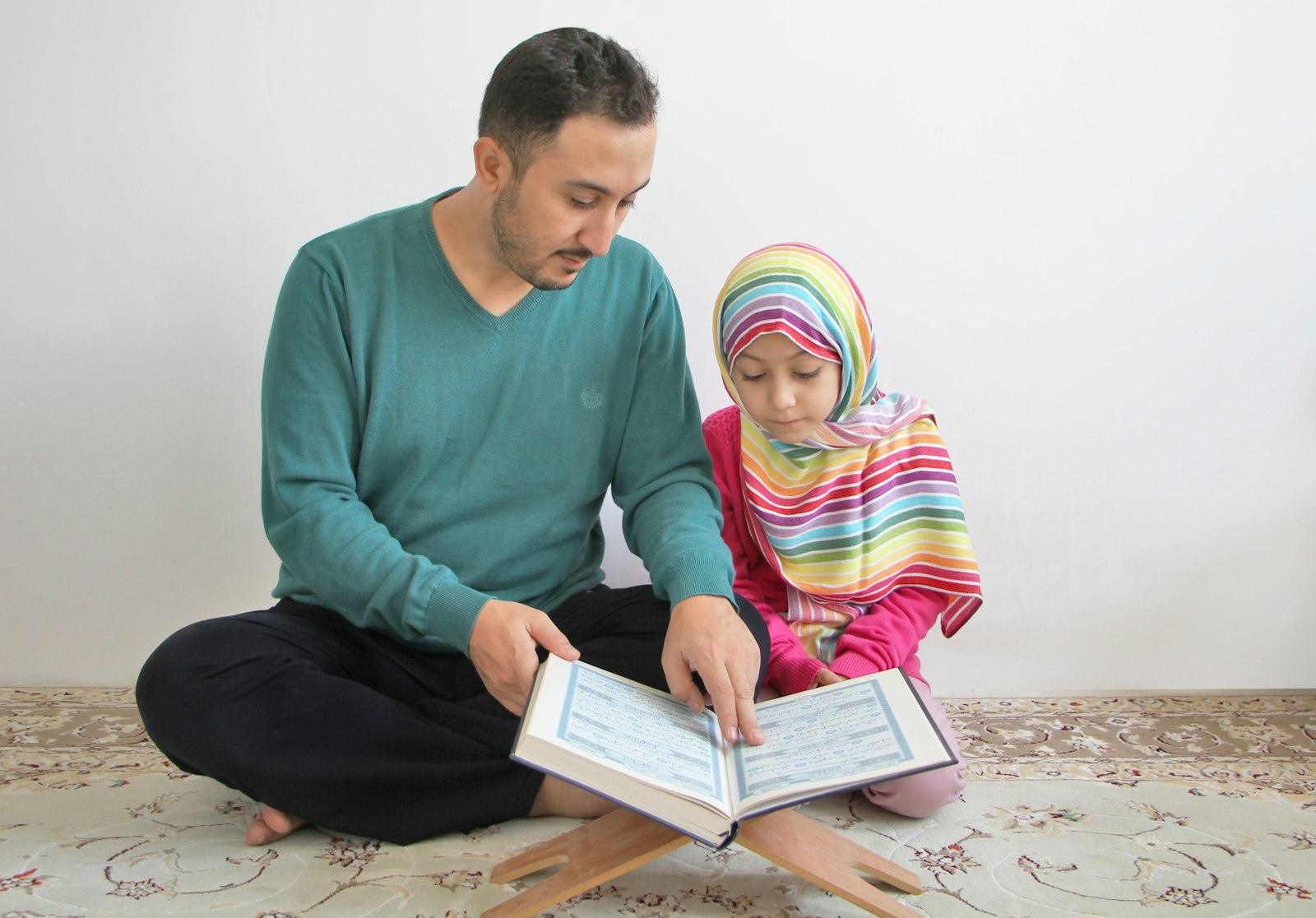
Children are often remarkable at memorizing. They pick up long surahs by ear, repeat them all day, and correct their parents when they skip an ayah. But helping a child memorize the Quran well, and still love it while they do, takes more than enrolling them in a class.
Your child might be three and learning Al-Fatihah, or eleven and halfway through a hifz program. Either way, much of what helps them remember happens at home.
When to start
There’s no fixed age. Many families start with short surahs as soon as a child can talk, simply by reciting around them and letting them join in. More structured memorization, with a daily lesson and revision, usually works from about five or six, when a child can sit for ten or fifteen minutes.
The companion Ibn Abbas said that when the Prophet ﷺ died, he himself was ten years old and had already memorized the mufassal, the shorter surahs at the end of the Quran (Sahih al-Bukhari 5035). That’s a good model for a child’s early years: the last juz or two, learned well.
Keep sessions short and frequent
Young children do better with two or three short sessions a day than one long one. Five minutes after breakfast, five in the car, five before bed. Older children can handle 20 to 30 minutes at a time, but still benefit from splitting it up.
A simple daily pattern for a child under eight:
- Morning: listen to the new ayah or two together, repeat it a few times.
- During the day: play the surah in the car or while they play.
- Evening: they recite the new part and yesterday’s part to you, then you praise them.
Let them hear it constantly
Children absorb recitation by hearing it over and over. Play the surah they’re learning during ordinary moments: breakfast, bath time, car rides. Choose one clear, slow reciter and stick with them. Many families use al-Husary’s or al-Minshawi’s teaching recordings, where children repeat after the reciter.
Your own recitation matters most of all. If they hear you reciting in salah and reading from the mushaf, they’ll want to do it too.
Fatima Barkatullah, a British scholar who set out to raise her children as huffadh, talks about this in a MuslimMatters podcast: deliberately building a culture of Quran at home, and adjusting the approach to each child.
Revision matters for children too
Children memorize quickly and forget quickly. A child who learned Surah An-Naba last month may have lost half of it if it hasn’t been recited since. Build in revision from the start:
- Each day, after the new lesson, have them recite two or three older surahs.
- Use their memorized surahs in salah. Ask them to choose which surah you’ll both recite.
- Once a week, have them recite everything they know to a grandparent or relative. Children love an audience.
Make progress visible
Children respond to seeing progress. A wall chart with a sticker for each surah, a jar they add a marble to for each new ayah, or a simple map of Juz Amma they color in as they go. Using a Hifz Chart With Kids has ideas.
Small rewards are fine, especially early on. Over time, try to shift the reward from things to attention and praise: a special outing with a parent when they finish a surah, or being the one to lead the family in salah.
Praise effort as well as results
Some children memorize easily. Others struggle with every line. Praise the effort and the consistency as much as the speed. The Prophet ﷺ said that the one who recites the Quran with difficulty gets two rewards (Sahih Muslim 798a). Tell your child that. It can change how a struggling child sees themselves.
Avoid comparing siblings or cousins. Every child has their own pace.
Don’t let it become a battle
If memorization becomes a daily fight, step back. Forcing a resistant child through long sessions tends to produce an adult who avoids the Quran. Signs it’s time to ease off:
- Tears or tantrums at Quran time most days.
- Physical complaints that only appear before lessons.
- Rushing through recitation just to be done.
Try shorter sessions, a different time of day, more listening and less drilling, or a short break focused only on revision. Talk to the teacher if they’re in a class, because the pressure may be coming from there.
Connect it to meaning
Even young children can understand a simple version of what a surah is about. Before starting Al-Fil, tell them the story of the elephant army. Before Al-Kawthar, talk about the river Allah promised the Prophet ﷺ. Children remember stories, and stories help them remember the ayat.
About a narration you might hear
You may come across a narration that the parents of a child who learns and acts on the Quran will be crowned on the Day of Judgment with a crown brighter than the sun. It’s in Sunan Abi Dawud, but its chain is graded weak (Sunan Abi Dawud 1453). There’s no need to rely on it. The authentic hadith are more than enough: the best of you are those who learn the Quran and teach it (Sahih al-Bukhari 5027), and every letter recited is rewarded (Jami’ at-Tirmidhi 2910).
Choosing a teacher or class
If your child joins a hifz class, look for:
- A teacher who corrects gently and patiently.
- Clear expectations for what to practice at home.
- Regular revision built into the class alongside new lessons.
- A safe environment. It’s reasonable to ask about the school’s safeguarding policies and to visit.
Stay involved even when a teacher is responsible for the lessons. Ask your child to recite to you, know which surah they’re on, and keep the revision going at home.
Where to begin
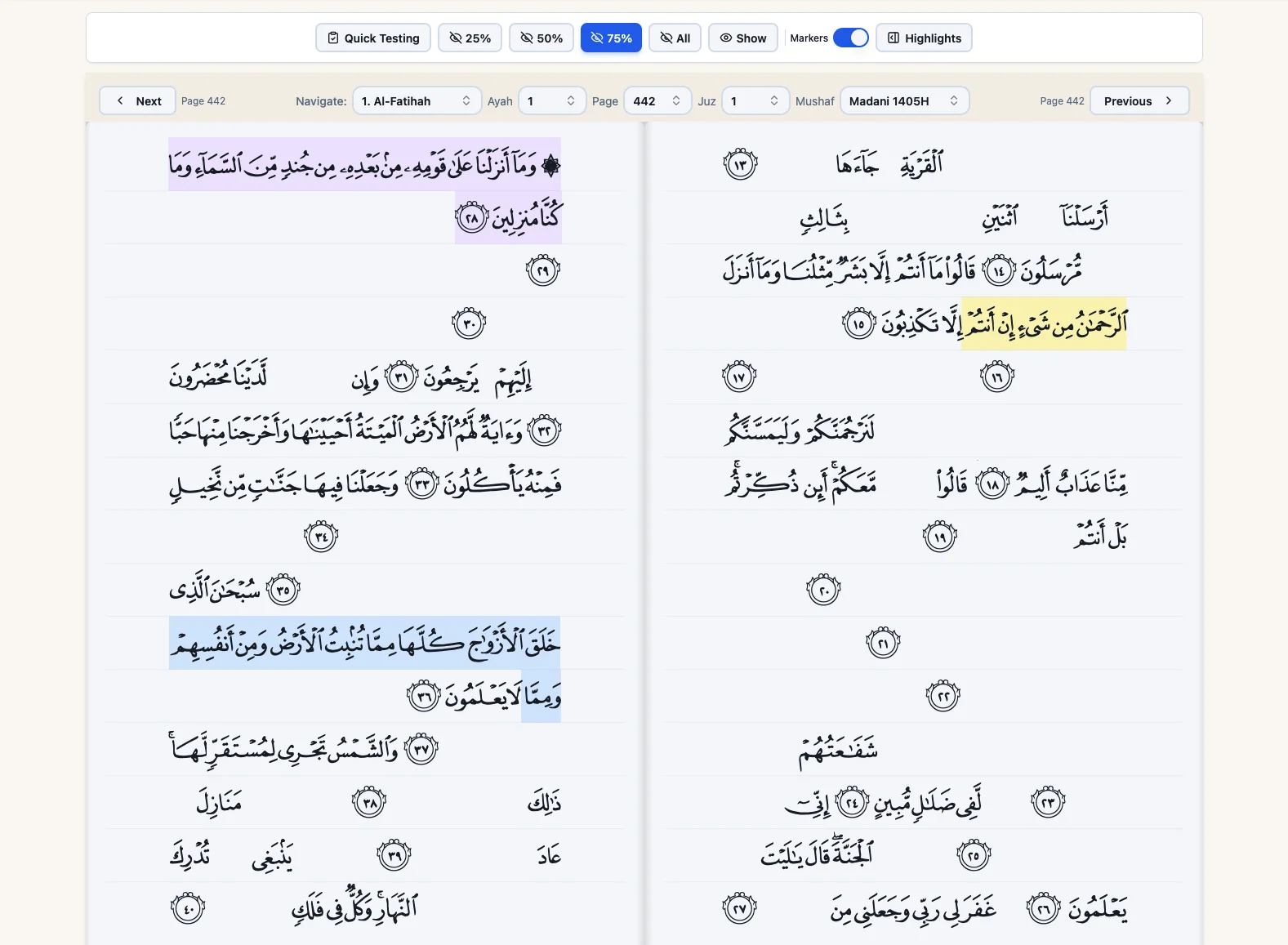
If your child is just starting, Juz Amma is the natural place. How to Memorize Juz Amma suggests an order and a pace. And for older children who can use a tablet, the Quran Memorizer app’s quizzes make revision feel more like a game, while showing you which surahs need work.