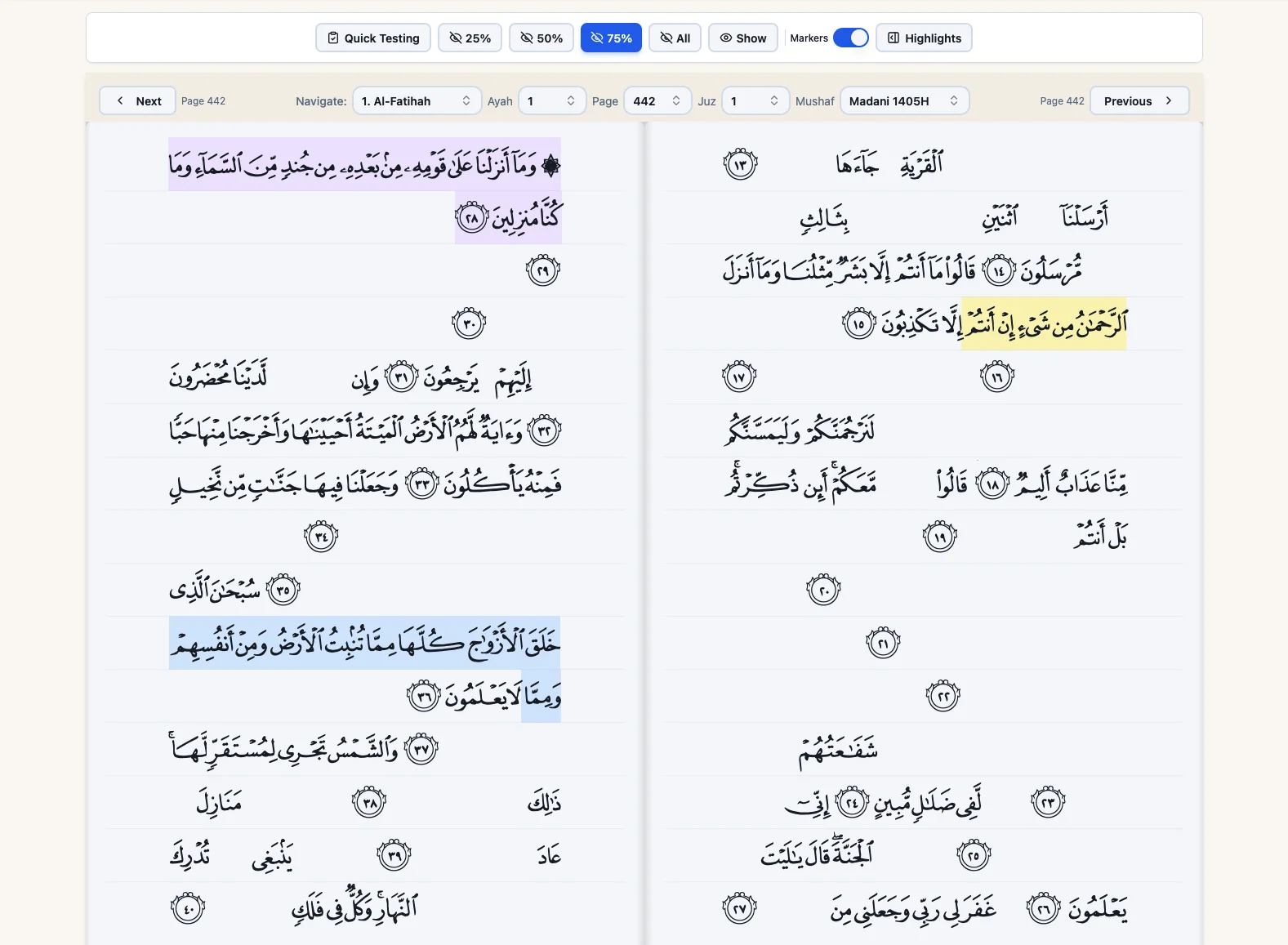
Some duas ask for one thing. The dua of Ibrahim, peace be upon him, in Surah Ash-Shu’ara asks for almost everything a person could hope for, in the right order: knowledge and good company in this life, a good name after death, Paradise in the next life, and a heart that will be accepted on the Day nothing else counts.
It’s a short passage, Ash-Shu’ara 26:83-89, and many students of hifz memorize it as a dua as well as part of the surah. Below we go through it ayah by ayah, with what the classical commentators said about each request and what it might mean for us.
The setting
The dua doesn’t come out of nowhere. Earlier in the passage, Ibrahim asks his people what they worship, and whether their idols can hear them or help them. They answer that they found their fathers doing the same (26:69-77).
Ibrahim then describes his own Lord (26:78-82):
ٱلَّذِى خَلَقَنِى فَهُوَ يَهْدِينِ
“Who created me, and He [it is who] guides me.”
“And it is He who feeds me and gives me drink.”
“And when I am ill, it is He who cures me”
“And who will cause me to die and then bring me to life”
“And who I aspire that He will forgive me my sin on the Day of Recompense.”
Ash-Shu’ara 26:78-82, Saheeh International translation. Compare translations on quran.com
Notice one detail the scholars often point out. Ibrahim says “when I am ill”, and then “it is He who cures me”. He attributes the sickness to himself and the cure to Allah, out of courtesy toward his Lord. Only after describing Allah like this does he begin to ask.
That’s a lesson in itself. Before asking for anything, he spends five ayat remembering who he is asking.
26:83: Wisdom, and the company of the righteous
رَبِّ هَبْ لِى حُكْمًا وَأَلْحِقْنِى بِٱلصَّـٰلِحِينَ
Rabbi hab li hukman wa alhiqni bis-salihin. In the Saheeh International translation: “My Lord, grant me authority and join me with the righteous.” (26:83).
Translators render hukm in different ways, including “authority” and “wisdom”. In Ibn Kathir’s commentary, Ibn Abbas explains it as knowledge. The second request, to be joined with the righteous, is explained as being counted among them in this life and the next.
Ibrahim is a prophet and one of the greatest people who ever lived. He still asks to be joined with the righteous, as if he hasn’t yet earned a place among them. For anyone who has memorized a lot of Quran, or spent years at the masjid, that’s a useful check. Hifz doesn’t make anyone independent of Allah’s guidance.
Asking for knowledge also means being willing to receive it, including when it comes as correction. A student who argues every time their teacher stops them, because it’s embarrassing to be wrong, is closing the door on exactly what they’re asking for.
Think about who in your life helps you learn: the teacher who stops you on a mispronounced letter, the friend who tells you something about yourself you’d rather not hear. Keeping those people close is part of asking to be joined with the righteous.
26:84: A truthful name among later generations
وَٱجْعَل لِّى لِسَانَ صِدْقٍ فِى ٱلْـَٔاخِرِينَ
Waj’al li lisana sidqin fil-akhirin. In the Saheeh International translation: “And grant me a mention [i.e., reputation] of honor among later generations.” (26:84).
Ibn Kathir explains this as being remembered well after death and taken as an example of goodness. Allah answered the dua. Elsewhere He says that He left for Ibrahim a good mention among later generations, ending with “Peace upon Abraham.” (As-Saffat 37:108-110). Muslims mention him in every prayer, in the salah upon the Prophet ﷺ.
The word is sidq, truth. Ibrahim asks for a good reputation that is true, matching who he really was. That’s different from the image we can curate today with careful photos and polished posts.
The people who will remember us most truthfully are the ones who live with us. They see how we behave when we’re tired, interrupted or disappointed. A child remembers whether a parent listened. A student remembers whether a teacher corrected them kindly or made them feel stupid. Those memories are built from small moments most of us have forgotten.
The Prophet ﷺ gave a concrete picture of what continues after death. When a person dies, their deeds stop except for three: ongoing charity, knowledge that benefits others, and a righteous child who prays for them (Sahih Muslim 1631).
For a student of the Quran, the second of these is especially close. If you help someone else learn, even a single surah, that benefit can outlast you. Teach carefully, check your sources, and say “I don’t know” when you don’t.
26:85: Among the inheritors of Paradise
وَٱجْعَلْنِى مِن وَرَثَةِ جَنَّةِ ٱلنَّعِيمِ
Waj’alni min warathati jannatin-na’im. In the Saheeh International translation: “And place me among the inheritors of the Garden of Pleasure.” (26:85).
After asking for a good name in this world, Ibrahim moves straight to the next. So Jannah belongs in our plans too, alongside careers, studies and family goals.
In practice, that might look like checking a busy schedule for where the prayers fall before agreeing to it, or setting a memorization target that leaves time to understand what you’re memorizing. Small decisions show where the akhirah sits in our priorities.
And it keeps us humble. The Prophet ﷺ said that no one’s deeds alone will get them into Paradise. When asked, “Not even you?”, he said, “Not even I, but that my Lord wraps me in mercy” (Sahih Muslim 2816c). We work, and we ask for mercy, because we need both.
26:86-87: Forgiveness, and not being disgraced
The dua continues. Ibrahim asks forgiveness for his father, who had gone astray, and asks not to be disgraced on the Day people are raised (26:86-87).
The request for his father has to be read alongside At-Tawbah 9:114, which explains that Ibrahim asked forgiveness for his father only because of a promise he had made to him, and that when it became clear his father was an enemy of Allah, he dissociated himself from him.
26:88-89: The only thing that will help
يَوْمَ لَا يَنفَعُ مَالٌ وَلَا بَنُونَ إِلَّا مَنْ أَتَى ٱللَّهَ بِقَلْبٍ سَلِيمٍ
In the Saheeh International translation: “The Day when there will not benefit [anyone] wealth or children, but only one who comes to Allah with a sound heart.” (26:88-89).
Qalbun salim is usually translated as “a sound heart”. Ibn Kathir explains it as a heart free from any impurity or shirk: the heart of a believer. It concerns belief and devotion more than feeling peaceful or being well regarded.
This doesn’t make wealth and family worthless. The hadith above showed that charity and a righteous child can benefit a person after death. The warning is against treating what we own, or who we’re related to, as a substitute for faith and sincerity.
Some questions worth asking yourself:
- Do I accept a correction when it costs me something?
- Is there a wrong I need to repent from but keep putting off?
- Does my private life match the advice I give other people?
Bringing the dua into your Quran routine
If you’re memorizing Ash-Shu’ara, or just this passage, give these ayat some time:
- Memorize them with their meaning. The order of the requests (knowledge, company, name, Paradise, forgiveness, dignity, a sound heart) is easy to remember once you understand it.
- Use them as your own dua. Many people recite 26:83-85 in sujud or after salah.
- Pick one action. Accept one correction gracefully, help one person learn, or set one goal with the akhirah in mind. Then check at your next session whether you did it.
For more on turning memorization into action, see How to Memorize the Quran and Actually Live By It.
O Allah, grant us knowledge and wisdom, join us with the righteous, leave behind us benefit that is true, and make us among the inheritors of the Garden of Bliss through Your mercy. Help us recite Your Book with understanding and act on it, and let us meet You with sound hearts. Ameen.